Best vinyl siding for rental properties evaluating ROI and durability
Real estate asset management relies on balancing initial capital expenditures against long-term maintenance costs. Residential rental properties face higher tenant turnover, frequent exterior impacts, and varied tenant care compared to owner-occupied homes. Best vinyl siding for rental properties. Selecting exterior building cladding requires evaluating financial returns, physical durability, and low maintenance demands across multi-year hold periods.
Modern polymer cladding systems provide real estate investors with a durable weather barrier that eliminates frequent repainting cycles. Polymer panels protect structural wood framing from moisture intrusion while maintaining consistent visual appeal across tenant transitions. However, choosing cladding strictly based on low purchase prices often leads to unexpected repair costs if thin panels crack under tenant activity.
This comprehensive reference establishes a clear analytical blueprint for selecting, installing, and managing exterior cladding across single-family and multi-family rental portfolios. By examining physical material properties, mechanical fastening standards, financial payback periods, and long-term asset governance, this guide provides property managers with a practical operational model.
Best vinyl siding for rental properties
Selecting the best vinyl siding for rental properties demands a thorough evaluation of material durability, tenant wear patterns, and long-term maintenance expenses. Real estate asset managers analyze exterior cladding options as active income-protecting assets rather than simple cosmetic wall covers. A superficial specification process focusing solely on the lowest material price often results in frequent repair bills and reduced tenant retention.
Property Portfolio Performance Metrics
Rental property exteriors face continuous mechanical stress from lawn mowers, parked vehicles, moving furniture, and active tenant use. Standard-grade polymer panels become brittle in cold weather, cracking under minor impacts along lower wall sections. Specifying cladding for rental units requires choosing impact-modified panels with a minimum profile thickness of 0.042 to 0.044 inches.
Low-Maintenance Capital Efficiency
Minimizing ongoing maintenance expenses directly protects net operating income (NOINOI) across real estate portfolios. High-quality polymer cladding featuring co-extruded acrylic capstocks eliminates regular repainting requirements while resisting atmospheric fading. Selecting classic neutral colors ensures easy panel replacement when isolated repairs become necessary between lease terms.
Deep Contextual Background
Rental housing asset management evolved significantly as institutional investors and private landlords shifted from traditional wood cladding to engineered synthetic building envelopes. Historical timber facades required continuous scraping, priming, and painting every five to seven years. These recurring maintenance cycles interrupted tenant occupancy and increased operational overhead across multi-unit portfolios.
Rental Portfolio Cladding Evolution
First-generation synthetic siding introduced in the mid-twentieth century offered real estate investors an economical, low-maintenance alternative to painted wood. However, early panel designs featured thin profiles and shallow locking hems that suffered from wind lift and sun distortion. Chemical engineers resolved these early vulnerabilities by developing co-extruded capstocks and double-nail locking hems that secure panels under heavy environmental stress.
Building Code and Energy Efficiency Standards
Modern building codes emphasize energy efficiency, moisture management, and fire safety across residential rental housing. Exterior wall assemblies must incorporate effective weather-resistive barriers and continuous thermal insulation layers. Modern portfolio management strategies integrate factory-laminated insulated panels that reduce tenant heating and cooling expenses while improving property appraisal values.
Conceptual Frameworks and Mental Models
Navigating exterior building science across real estate portfolios requires structured analytical models that synthesize financial returns, material physics, and tenant operational patterns into clear decision guidelines.
The Lifecycle Capital Asset Model
This framework evaluates cladding choices by comparing initial material and labor costs against total maintenance expenses over a twenty-year hold period. Cheaper, thin-gauge panels reduce initial capital outlays but incur higher repair costs over time. Investing in mid-grade or heavy-gauge profiles lowers ongoing maintenance expenses, yielding higher net asset values.
The Tenant Impact Resilience Framework
Lower elevation wall sections on rental properties experience frequent mechanical impacts from lawn equipment, bicycles, and trash containers. This mental model evaluates cladding choices based on low-temperature impact strength and panel flexural memory. Choosing impact-modified panels along lower wall courses prevents surface punctures and reduces turnover repair calls.
The Standardized Component Replacement Model
Managing multi-unit housing portfolios requires maintaining visual uniformity and material availability across properties. This model prioritizes standard profile geometries and widely available neutral color shades over custom, limited-edition designs. Standardized material specifications simplify inventory management and allow maintenance crews to execute quick panel repairs during tenant turnovers.
Key Categories or Variations
Selecting appropriate cladding profiles for rental properties requires matching building location and tenant density with specific structural and financial parameters.
Mid-Grade Dutch Lap Panels
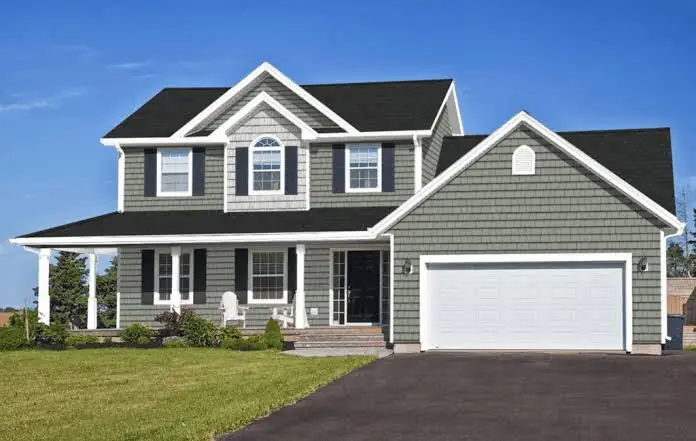
Mid-grade Dutch lap panels feature a sculpted bevel groove that adds horizontal panel stiffness while casting distinct shadow lines. Offering a balance of affordability, impact resistance, and visual appeal, this profile remains a popular choice across single-family rental homes.
Heavy-Gauge Insulated Lap Panels
Heavy-gauge insulated lap panels integrate contoured rigid foam backing directly into thick polymer shells. This construction delivers high impact resistance, deadens exterior noise between units, and reduces heating utility expenses across multi-family property portfolios.
Vertical Board and Batten Systems
Vertical board-and-batten systems feature wide vertical panels accented by raised strips over joints. This design encourages rapid rainwater drainage while delivering a modern aesthetic that attracts high-credit tenants in competitive rental markets.
Molded Polymer Shake Accents
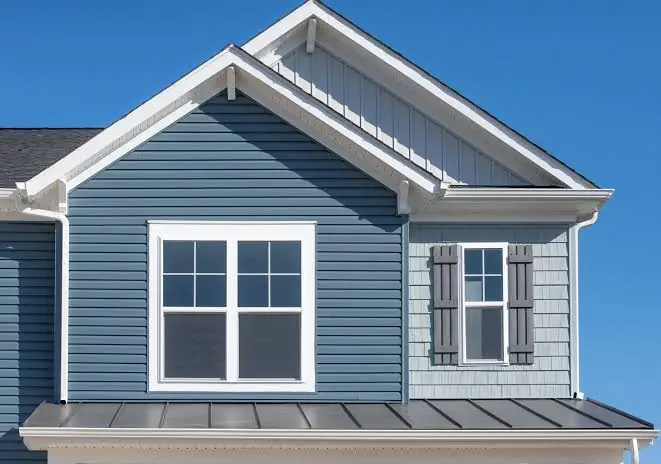
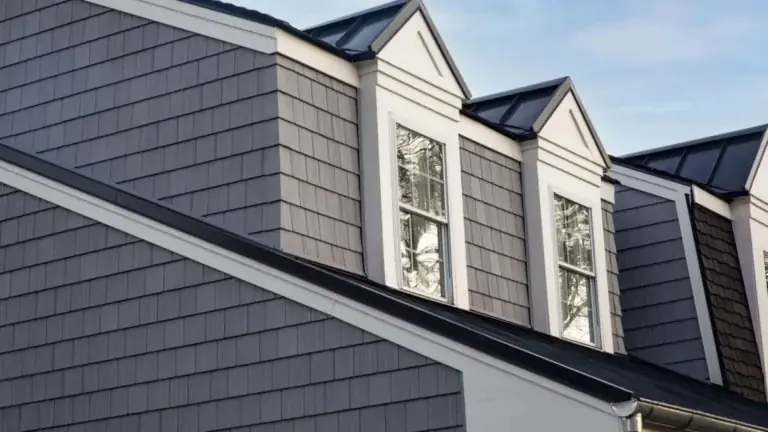
Engineered from thick polymer resins, molded shake panels replicate natural cedar shakes without rot or insect liabilities. Real estate investors utilize shake accents on upper gables to boost property curb appeal while keeping primary walls clad in standard lap panels.
Standard Light-Gauge Lap Panels
Standard light-gauge panels offer a low-cost exterior option, but their lower impact strength and thinner profile make them vulnerable to cracking under heavy tenant use. They are best reserved for sheltered, low-traffic elevations.
Rental Property Cladding Matrix
Realistic Selection Logic
Matching property hold strategies with appropriate panel specifications is essential. Investors targeting long-term rental income benefit from heavy-gauge insulated or mid-grade Dutch lap profiles. Short-term repositioning projects focused on quick cosmetic updates can utilize standard lap profiles along sheltered wall areas.
Detailed Real-World Scenarios Best vinyl siding for rental properties
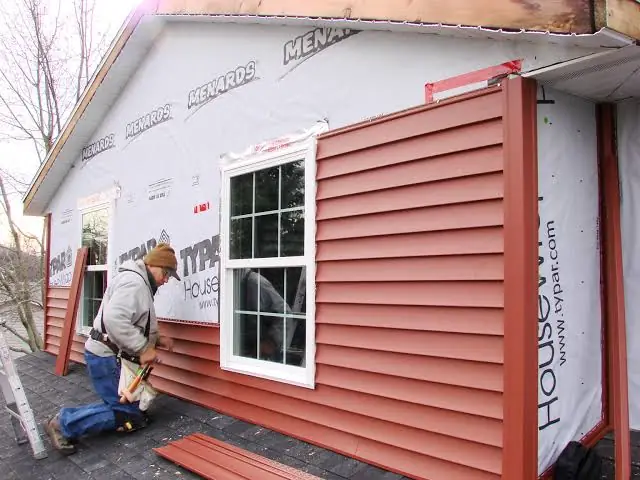
Analyzing practical property management applications shows how technical principles adjust to specific financial goals, tenant demographics, and physical building constraints.
Multi-Family Portfolio Retrofit Execution
An institutional investor acquired a fifty-unit apartment complex with damaged wood lap siding that required constant repainting. Engineers specified mid-grade Dutch lap panels installed over a continuous weather-resistive barrier. The retrofit eliminated annual painting budgets, lowered unit turnover times, and increased monthly rental income across the portfolio.
Single-Family Rental Portfolio Standardization
A residential property manager overseeing eighty single-family rental homes established a standardized cladding specification. The manager selected a 0.044-inch horizontal lap profile in three neutral color shades across all properties. Standardizing materials allowed in-house maintenance technicians to perform rapid, matching panel repairs using centralized inventory stock.
High-Density Student Housing Modernization
A student housing complex experienced frequent exterior wall punctures along ground-floor walkways due to heavy foot traffic and bicycle storage. Maintenance teams replaced lower wall runs with heavy-gauge insulated panels featuring solid foam backing. The upgraded assembly absorbed mechanical impacts without cracking, eliminating recurring repair calls.
Coastal Rental Property Refinishing
A beachside vacation rental property suffered from rapid paint peeling and salt air corrosion on original timber siding. The owner installed thick-gauge vertical board-and-batten polymer panels secured with stainless steel fasteners. The new exterior resisted coastal salt spray while delivering a fresh architectural look that increased seasonal booking rates.
Planning, Cost, and Resource Dynamics
Financial management for exterior renovations across rental portfolios extends beyond raw material purchasing. Comprehensive project planning accounts for labor rates, tenant coordination, waste disposal, and long-term tax depreciation benefits.
Real Estate Financial Allocation Models
Direct expenses include raw panel materials, starter strips, corner posts, window lineals, house wraps, and scaffolding rentals. Indirect costs cover municipal permits, property diagnostic assessments, old material disposal fees, and temporary tenant access management.
Long-Term Value and Return on Investment
Selecting low-cost light-gauge panels reduces initial capital outlays, but it exposes real estate assets to frequent repair costs and lower tenant retention. Investing in durable mid-grade or insulated cladding requires higher upfront capital while delivering long-term returns through higher rental income and reduced maintenance expenses.
Rental Portfolio Budget Breakdown
Tools, Strategies, and Support Systems
Executing precise cladding renovations across rental portfolios requires specialized maintenance equipment and structured quality control protocols.
Portfolio Maintenance Equipment
Maintenance crews utilize siding removal zip tools, snap-lock punches, nail slot punches, and pneumatic siding nailers fitted with precision depth gauges. Zip tools allow technicians to unhook and replace individual damaged panels in minutes without removing surrounding wall courses.
Secondary Weather Barriers
Integrating high-performance house wraps, self-adhering flashing tapes, and 3D drainage mats creates a secondary moisture boundary. These backup defenses capture and drain water that passes panel joints during high-wind storms, protecting internal framing from hidden rot.
Documented Control Systems
Property managers use standardized inspection checklists to verify lap engagement, corner post clearances, and window flashing overlaps during contractor hand-offs. Documenting installation quality preserves manufacturer warranty coverage over multi-year hold periods.
Risk Landscape and Failure Modes Best vinyl siding for rental properties
Deviating from established material and installation standards introduces operational risks that erode rental property profitability.
Tenant Impact and Maintenance Vulnerabilities
Installing thin, un-stabilized polymer panels along high-traffic areas leads to frequent surface punctures from lawn mowers and tenant equipment. Unrepaired panel holes allow rainwater to seep behind cladding, causing hidden sheathing rot and costly structural repairs.
Over-Driven Fasteners and Panel Buckling
Fasteners driven too tightly against panel hems prevent natural horizontal thermal movement during summer heat waves. Restricted panels bow outward, creating wavy wall surfaces that degrade property appearance and lower tenant rental appeal.
Color Discontinuity during Turnover Repairs
Selecting rare or proprietary panel colors makes sourcing matching replacement panels difficult during tenant turnovers. Unmatched panel repairs create patchy, unappealing wall elevations that reduce property market value.
Governance, Maintenance, and Long-Term Adaptation
Preserving exterior building envelope performance across rental portfolios requires systematic maintenance routines and scheduled inspection protocols.
Routine Portfolio Inspection Cycles
Property managers should conduct visual exterior inspections biannually during routine tenant lease renewals. Inspectors evaluate panel course alignment, corner post security, weep hole clearance, and sealant integrity around window frames.
Corrective Action Protocols
Immediate physical repairs are triggered if panel cracks appear, locking seams unhook, or interior water staining occurs. Replacing damaged panels promptly during tenant transitions prevents wind lift forces from tearing adjacent wall runs off the building.
Rental Portfolio Maintenance Checklist
-
Confirm all horizontal panel courses remain fully engaged along lock seams.
-
Verify that weep holes located along panel bottoms remain free of dirt and debris.
-
Wash exterior wall surfaces gently using low-pressure water equipment annually.
-
Inspect sealant joint integrity around utility wall penetrations and window frames.
-
Check corner posts and receiving channels for thermal clearance movement.
Measurement, Tracking, and Evaluation
Evaluating exterior cladding performance across rental portfolios involves monitoring financial operating metrics and tracking physical asset durability.
Operational Performance Metrics
Leading performance indicators include contractor compliance with installation manuals, verified fastener depth clearances, and standardized material color matching across properties.
Lagging Financial Signals
Lagging metrics track long-term investment returns, including reduced exterior repair expenses, zero moisture intrusion incidents, elevated tenant renewal rates, and increased net operating income (NOINOI).
Quality Assurance Records
-
Property Installation Register: Signed verification forms confirming panel thickness, fastener depth controls, and warranty details.
-
Maintenance Repair Ledger: Detailed records of panel repair dates, material batch codes, and turnover maintenance expenses.
-
Portfolio Financial Audit: Multi-year tracking comparing pre- and post-renovation exterior maintenance outlays.
Common Misconceptions and Oversimplifications Best vinyl siding for rental properties
Persistent myths regarding synthetic cladding across rental properties often lead real estate investors to make misinformed financial decisions.
Correcting Rental Cladding Myths
-
Cheapest Siding Always Yields Highest ROI: Low-cost thin panels crack easily under tenant use, resulting in frequent repair bills that erase initial purchase savings.
-
Vinyl Siding Requires Zero Portfolio Maintenance: Polymer panels eliminate painting needs, but they still require annual low-pressure washing and periodic inspection to ensure weather-tightness.
-
All Siding Profiles Look Identical to Renters: Modern architectural profiles like Dutch lap and board-and-batten enhance property curb appeal, allowing landlords to command higher monthly rents.
-
Exterior Cladding Solves Wall Drafts Alone: Cladding acts as a primary rain shedder; continuous insulation backing or air barriers are required to stop wall drafts and lower heating bills.
-
Any Dark Siding Color Works on Rentals: Dark colors absorb more solar heat; specifying dark panels without cool-pigment technology increases risk of thermal panel distortion.
Ethical, Practical, and Contextual Considerations
Responsible property asset management balances financial return targets with tenant safety, job site waste reduction, and neighborhood aesthetics. Polymer scrap generated during renovation projects should be collected and transferred to industrial recycling facilities. Partnering with contractors who participate in scrap recycling programs reduces landfill burdens. Furthermore, selecting exterior profiles and colors that complement surrounding neighborhood architecture preserves historical character and supports community property values over time.
Conclusion
Selecting the best vinyl siding for rental properties requires a balanced assessment of material specifications, impact durability, tenant wear patterns, and long-term financial metrics. By evaluating options through structured asset management frameworks, real estate investors specify cladding systems that protect net operating income while maintaining property curb appeal. Proper profile selection, disciplined installation mechanics, and ongoing inspection routines remain essential to realizing the full operational lifespan of synthetic building envelopes. Real estate capital investments backed by technical analysis deliver reliable weather protection, reduced maintenance expenses, and sustained asset value across multi-year hold periods.