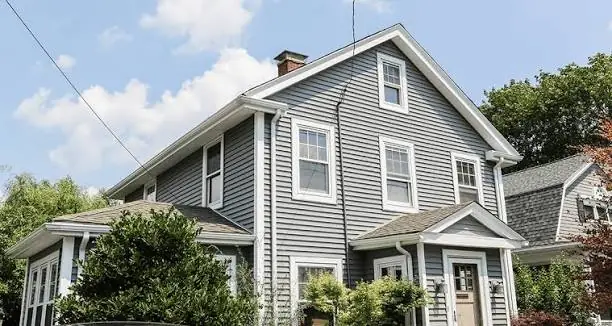
How to manage vinyl siding fading through chemical restoration and solar protection
Exterior architectural finishes face continuous photo-chemical stress from solar radiation, environmental pollutants, and thermal dynamics. Polyvinyl chloride facade systems provide exceptional moisture resistance and structural utility across long operational lifecycles. How to manage vinyl siding fading. However, cumulative ultraviolet exposure eventually degrades surface pigments and resin capstocks, leading to noticeable color shifts. Property managers and building owners must navigate this aesthetic degradation through systematic maintenance frameworks.
Surface chalking and color fading occur as high-energy UV photons break down organic chemical bonds within the polymer matrix. When solar radiation penetrates the outer capstock, unbound pigment particles separate from the resin substrate, forming a micro-crystalline powdery film. Without an effective restoration strategy, light scatters unevenly across the facade face, giving the structure a dull, weathered appearance that diminishes overall curb appeal and property value.
Developing an effective color management program demands a clear understanding of polymer chemistry, coating physics, and environmental exposure metrics. Facility managers benefit from structured diagnostic frameworks that separate simple surface oxidation from irreversible polymer chain breakdown. This comprehensive reference examines technical causes, chemical restoration protocols, protective coating strategies, and long-term governance models required to preserve exterior color stability across multi-decade lifecycles.
How to manage vinyl siding fading
Understanding how to manage vinyl siding fading requires a comprehensive diagnostic approach that evaluates environmental exposure vectors, capstock thickness, and resin chemistry. Color shift manifests as uneven panel bleaching, surface chalking, or loss of gloss across exterior wall elevations. Experienced building envelope specialists analyze solar orientation, shade patterns, and atmospheric pollution levels to isolate primary degradation triggers before recommending chemical interventions.
Photo-Chemical Degradation Mechanics
Ultraviolet radiation in the UV-A and UV-B spectrums carries sufficient energy to disrupt carbon-carbon bonds within unmodified polyvinyl chloride molecules. As solar photons break these molecular chains, free radicals form, triggering secondary oxidation reactions that break down the protective capstock resin. This chemical breakdown releases microscopic pigment particles from the polymer matrix, producing a white, powdery film known as chalking.
Solar Orientation and Environmental Vectors
Facade elevations facing south and west absorb significantly higher cumulative solar radiation than north-facing walls. Consequently, color fading develops unevenly across a building envelope, creating sharp visual contrast at corner post intersections. Atmospheric ozone, industrial sulfur dioxide emissions, and airborne salt particles further accelerate photo-chemical oxidation, shortening the functional lifespan of standard pigment formulations.
Deep Contextual Background
Building facade management evolved significantly over the past half-century as polymer chemistry transformed exterior cladding design. Early synthetic cladding products suffered from rapid, severe color shifts within a few years of installation. Primitive pigments lacked resistance to ultraviolet radiation, while thin, un-stabilized capstocks degraded rapidly under routine summer solar loads.
Evolution of Capstock Pigment Stabilization
Chemical engineers addressed early fading vulnerabilities by introducing advanced co-extrusion manufacturing methods and inorganic metal-oxide pigments. Modern co-extrusion bonds a highly stabilized outer capstock layer onto a durable structural substrate layer. Integrating rutile titanium dioxide and complex inorganic color pigments dramatically improved UV reflection, helping contemporary panels maintain color stability for decades.
Modern Coating Innovations and Acrylic Retrofits
Despite chemical advancements, all synthetic polymer facades eventually experience gradual color shifts under continuous solar exposure. The building restoration industry responded by developing specialized 100% acrylic latex coatings formulated specifically for flexible vinyl substrates. These advanced elastomeric coatings allow building owners to restore faded facades or update color schemes without performing costly, labor-intensive material tear-offs.
Conceptual Frameworks and Mental Models
Diagnosing color degradation demands structured analytical frameworks that separate superficial surface oxidation from total capstock failure. These mental models assist facility managers in selecting appropriate restoration methods for specific chemical conditions.
The Photo-Chemical Bond Degradation Model
This framework evaluates color shift as a function of cumulative photon absorption versus internal chemical stabilizer reserves. When UV exposure consumes active light stabilizers within the capstock, surface oxidation accelerates rapidly. Measuring oxidation depth helps technicians determine whether low-pressure chemical washing or full protective topcoat application is required.
The Reflective Light Scattering Framework
Surface chalking alters how light interacts with the facade face. Fresh polymer surfaces reflect light specularly, displaying rich, uniform color tones. Micro-crystalline oxidation layers scatter light diffusely, making the underlying pigment appear washed out and faded. This model demonstrates that removing the oxidized film restores original color saturation without altering underlying resin chemistry.
The Thermal Expansion Coating Compatibility Model
Applying aftermarket paints onto flexible polymer panels introduces complex mechanical stresses. Vinyl cladding expands and contracts significantly during seasonal temperature swings. This mental model evaluates coating flexibility and solar reflectance values, ensuring applied paints stretch with panel movement while avoiding excessive solar heat absorption.
Key Categories or Variations
Categorizing color degradation severity enables maintenance teams to apply targeted restoration protocols. Different oxidation stages require distinct chemical treatments, surface preparation methods, and protective coatings.
Light Surface Oxidation and Chalking
This initial degradation stage features a thin, powdery white film across panel faces without severe underlying pigment damage. The original color remains intact beneath the microscopic oxidation layer.
Uneven Elevation Bleaching
Uneven bleaching occurs when south and west elevations fade significantly faster than shaded north walls. This creates sharp color boundaries at corner posts and trim intersections across the building envelope.
Moderate Pigment Loss and Capstock Erosion
Continuous UV exposure erodes the outer capstock resin layer, exposing raw pigment particles and reducing surface gloss. The panel face feels rough, and color intensity appears muted even after removing surface chalking.
Advanced Fiber Exposure and Substrate Burn-Through
In severe cases, prolonged photo-oxidation wears away the protective capstock entirely, exposing the underlying base substrate layer. The panel displays blotchy white patches and suffers structural embrittlement under minor mechanical impacts.
Dark Profile Thermal Fading
Darker panel profiles absorb higher heat levels, accelerating internal chemical degradation. Elevated surface temperatures speed up free-radical reactions, causing dark blues, greens, and reds to fade faster than pastel shades.
Color Shift Taxonomy and Restoration Tiers
| Degradation Tier | Chemical Condition | Visual Signature | Target Restoration Method |
| Light Oxidation | Surface chalking film | Powdery film, mild gloss loss | Low-pressure chemical wash |
| Uneven Bleaching | Differential UV exposure | Color mismatch across walls | Selective topcoat application |
| Moderate Erosion | Capstock thinning | Rough texture, muted tone | Restorative vinyl wash and seal |
| Advanced Exposure | Capstock burn-through | Blotchy patches, embrittlement | Elastomeric acrylic painting |
| Dark Profile Fading | High heat absorption | Severe pigment breakdown | Reflective acrylic coating retrofit |
Restoration Decision Logic
Managing facade fading requires matching physical degradation levels with appropriate chemical interventions. Light surface chalking responds effectively to specialized low-pressure chemical cleaning solutions that dissolve oxidized resins. Advanced capstock erosion requires applying high-grade 100% acrylic exterior coatings featuring solar-reflective pigments.
Detailed Real-World Scenarios How to manage vinyl siding fading
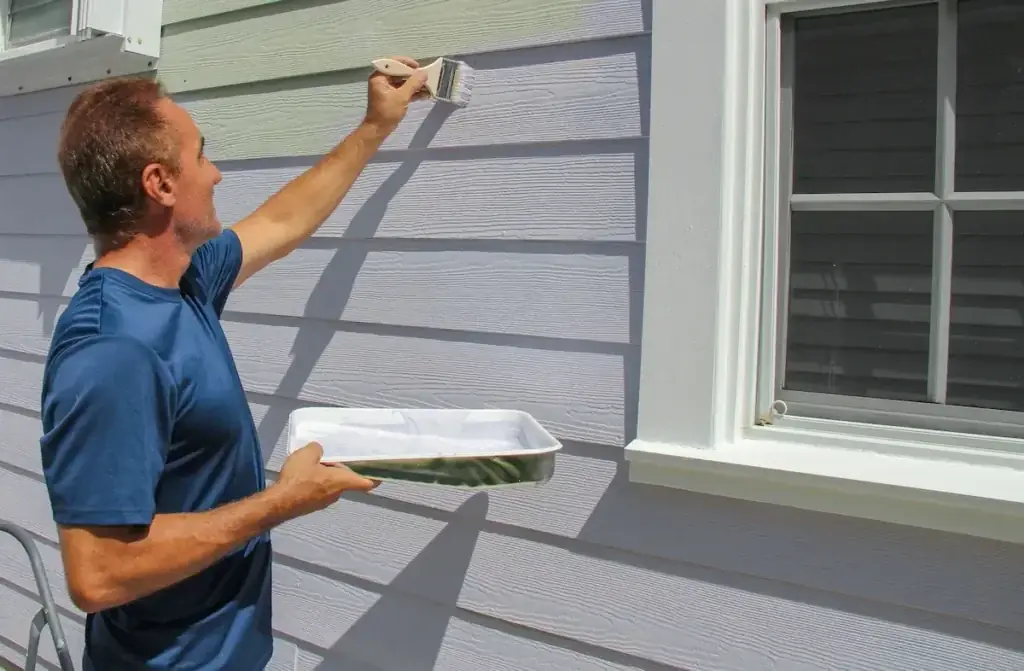
Evaluating practical job site applications demonstrates how chemical restoration principles adjust to regional solar conditions and structural parameters.
High-Altitude UV Restoration Execution
A commercial office park located in a high-altitude region experienced severe surface chalking and color fading on its west elevations. Sun exposure at high elevation accelerated capstock oxidation, turning deep tan panels into a dull grey shade. Technicians applied a specialized biodegradeable oxidation remover using low-pressure wash equipment, followed by a clear UV-blocking acrylic sealer that restored original color depth.
Coastal Multi-Family Color Matching
A coastal apartment complex suffered uneven fading across its ocean-facing facades due to combined solar radiation and salt spray exposure. The property owner sought to match faded south walls with protected north elevations without replacing entire cladding runs. Crews prepped the surface by removing salt deposits, then applied a custom-tinted 100% acrylic exterior paint containing urethane resins for maximum salt and UV resistance.
Dark Profile Residential Refinishing
A residential home featuring dark blue vinyl siding suffered severe heat-induced fading, resulting in unsightly streaking across upper wall courses. The homeowner wanted to change the color to a lighter sage green. Installers selected a high-grade vinyl-safe exterior paint formulated with non-heat-absorbing inorganic pigments, preventing future panel warping while completely covering the faded substrate.
Commercial Warehouse Maintenance Overhaul
A large commercial distribution facility experienced advanced capstock erosion across a twenty-year-old exterior wall installation. Diagnostic testing confirmed the structural substrate remained sound despite surface pigment loss. Maintenance teams executed a full-envelope restoration, pressure washing the surface, priming bare spots, and applying two coats of elastomeric acrylic finish.
Planning, Cost, and Resource Dynamics
Financial management for facade color restoration extends beyond basic paint purchases. Comprehensive project planning accounts for trade labor skill requirements, surface preparation chemicals, staging equipment access, and long-term maintenance cycles.
Financial Allocations for Color Restoration
Direct costs include specialized chemical cleaners, surface preparation neutralizers, premium vinyl-safe acrylic paints, masking materials, and boom lift rentals. Indirect expenses encompass environmental containment permits, property diagnostic assessments, color-matching laboratory fees, and waste disposal.
Long-Term Value and Opportunity Costs
Ignoring early surface oxidation allows capstock erosion to progress toward total polymer breakdown, forcing a complete and expensive wall tear-off. Executing timely chemical cleaning or applying protective acrylic coatings costs significantly less than total replacement, extending facade service life by fifteen to twenty years.
Color Restoration Budget Dynamics
| Project Component | Chemical Cleaning Tier | Restorative Sealer Tier | Full Acrylic Coating Tier |
| Materials (per sq ft) | $0.20 – $0.50 | $0.60 – $1.20 | $1.50 – $3.00+ |
| Labor (per sq ft) | $0.80 – $1.50 | $1.50 – $2.50 | $2.50 – $5.00+ |
| Equipment & Staging | $200 – $500 flat | $400 – $800 flat | $800 – $2,500+ flat |
| Permitting & Testing | $100 – $250 flat | $200 – $500 flat | $500 – $1,200 flat |
Tools, Strategies, and Support Systems
Executing precise color restoration requires specialized chemical formulations and trade application tools. Proper equipment ensures complete oxidation removal without damaging soft polymer substrates.
Chemical Restoration and Measurement Equipment
Technicians utilize low-pressure chemical injectors, soft-bristle wash brushes, spectrophotometers for precise color matching, and airless spray equipment fitted with fine-finish tips. Spectrophotometers measure exact color coordinates, allowing technicians to formulate custom-matched touch-up coatings.
Vinyl-Safe Paint Formulations
Modern vinyl-safe paints utilize specialized inorganic pigments that reflect solar infrared energy rather than absorbing it. Standard dark exterior paints absorb heat, raising panel surface temperatures above heat deflection points and causing severe panel distortion. Vinyl-safe formulations eliminate heat warping risks when repainting faded facades.
Quality Control Registers
Project managers use standardized quality control registers to record surface preparation steps, ambient temperature parameters during application, coating dry-film thickness, and post-restoration gloss levels. Documenting application conditions preserves paint manufacturer warranty coverage.
Risk Landscape and Failure Modes How to manage vinyl siding fading
Deviating from established surface restoration protocols introduces serious coating and structural risks. Understanding potential failure pathways enables quality control teams to prevent premature coating detachment.
Progressive Capstock Erosion Risks
Neglecting surface chalking allows UV radiation to erode capstock layers continuously. As protective capstocks thin, raw polymer resins fracture under environmental stress, leading to brittle panel cracking and moisture intrusion into underlying wall assemblies.
High-Pressure Surface Degradation
Using high-pressure power washing equipment to remove chalking can gouge soft polymer faces and strip remaining capstock layers. High water pressure forces moisture past lap seams, saturating underlying house wraps and framing studs.
Paint Peeling from Heat Absorption
Applying standard dark exterior paint onto vinyl cladding causes severe thermal stress. Dark paints absorb solar heat, raising panel temperatures past 160 degrees Fahrenheit. The resulting panel expansion causes paint adhesion failure, leading to widespread peeling and panel buckling.
Governance, Maintenance, and Long-Term Adaptation
Preserving building envelope appearance requires systematic maintenance routines and scheduled inspection protocols. Establishing clear operational management plans extends color stability significantly.
Routine Color Surveillance Cycles
Facility managers should conduct visual exterior inspections annually, assessing south and west elevations during clear mid-day conditions. Inspectors check for initial surface chalking, gloss reduction, color shifts at trim joints, and coating adhesion integrity on repainted surfaces.
Remediation Trigger Protocols
Immediate chemical cleaning is triggered when surface chalking leaves a visible white powder residue on a gloved hand. Repainting protocols are initiated if substrate exposure appears or if color variance across elevations exceeds acceptable aesthetic thresholds.
Color Maintenance Checklist
-
Inspect south and west wall elevations for surface chalking film.
-
Perform a glove wipe test across mid-wall courses to check oxidation levels.
-
Wash exterior wall surfaces gently using low-pressure chemical solutions.
-
Verify that repainted surfaces display no signs of edge peeling or blistering.
-
Inspect sealant joint color matching around window and door perimeters.
Measurement, Tracking, and Evaluation How to manage vinyl siding fading
Evaluating color restoration success involves monitoring optical performance indicators and tracking long-term coating adhesion metrics. Data-driven evaluation validates restoration material selections.
Diagnostic Indicator Logging
Leading performance indicators include successful surface chalk removal verified by wipe testing, proper coating dry-film thickness measurements, and verified surface temperature readings on repainted panels during peak solar exposure.
Lagging Asset Signals
Lagging metrics track long-term performance, including zero coating peeling incidents over five-year intervals, consistent color retention across all elevations, and extended cladding operational lifecycles.
Quality Control Records
-
Spectrophotometer Color Log: Recorded color coordinates documenting baseline, faded, and restored color values.
-
Coating Application Register: Signed verification forms confirming dry-film thickness and vinyl-safe paint usage.
-
Maintenance History Ledger: Detailed records of chemical cleaning dates, wash solution concentrations, and topcoat applications.
Common Misconceptions and Oversimplifications
Persistent myths regarding synthetic cladding fading often lead property owners to execute incorrect maintenance interventions.
Correcting Color Degradation Myths
-
Faded Vinyl Cannot Be Painted: Modern 100% acrylic latex exterior paints adhere exceptionally well to prepped vinyl surfaces, delivering durable color restoration when properly applied.
-
High Pressure Cleaning Restores Color Permanently: Power washing removes loose chalking temporarily, but it does not stop ongoing UV photo-oxidation; protective sealers or paints are required for long-term color stability.
-
Any Exterior Paint Works on Vinyl: Standard dark paints absorb excessive solar heat, causing panels to warp and buckle; only vinyl-safe paints containing heat-reflective pigments should be used.
-
Fading Indicates Structural Panel Failure: Color fading is primarily an aesthetic capstock issue; unless severe embrittlement occurs, the underlying panel retains its structural moisture-shedding capability.
-
Bleach Solution Eliminates Solar Fading: Bleach cleans organic mold and algae growth, but it cannot reverse photo-chemical pigment loss or remove heavy inorganic capstock oxidation.
Ethical, Practical, and Contextual Considerations
Responsible building management requires evaluating environmental protection and neighborhood aesthetics during color restoration. Chemical wash runoff generated during oxidation removal should be contained and neutralized to protect surrounding soil and stormwater systems. Partnering with contractors who utilize biodegradable, eco-friendly cleaning agents minimizes environmental impacts. Furthermore, selecting exterior paint colors that harmonize with surrounding neighborhood architectural guidelines preserves community character and supports regional property values over time.
Conclusion
Successfully managing vinyl siding fading requires a thorough understanding of polymer photo-chemistry, capstock degradation dynamics, and advanced coating technologies. By evaluating color shift through structured diagnostic frameworks, facility managers isolate oxidation stages and execute targeted restoration protocols. Routine low-pressure chemical cleaning, timely application of vinyl-safe acrylic coatings, and disciplined solar heat management protect building envelopes against premature replacement. Investing in systematic color surveillance and proactive surface maintenance preserves long-term building durability, visual appeal, and property value across decades of continuous solar exposure.