How to reduce vinyl siding installation cost through systematic capital management
Architectural facade replacement represents a significant capital expenditure for property owners and facility managers. Exterior cladding serves as a primary weather barrier, protecting internal structural framing from moisture damage, wind load pressures, and extreme thermal movement. How to reduce vinyl siding installation cost. When budgeting for exterior renovation projects, stakeholders frequently face escalating contractor estimates driven by raw material price volatility, specialized trade labor shortages, and complex site staging requirements. Without a structured financial optimization plan, project costs can quickly exceed initial capital projections.
Achieving financial efficiency during facade replacement requires analyzing cost drivers across the entire construction lifecycle. Material purchasing costs represent only a portion of total project outlays. Labor efficiency, waste disposal handling, structural substrate preparation, scaffolding access, and seasonal scheduling play critical roles in determining final invoice totals. A superficial focus on purchasing low-cost materials often backfires if thin-gauge panels increase labor handling complexity or require premature maintenance.
Strategic budget management balances immediate cost reduction with long-term building envelope durability. Property managers benefit from structured analytical frameworks that evaluate cost-saving opportunities without compromising thermal efficiency or weather tightness. This reference examines cost optimization methods, material procurement strategies, labor negotiation models, and risk management protocols needed to manage exterior renovation budgets effectively.
How to reduce vinyl siding installation cost
Learning how to reduce vinyl siding installation cost requires evaluating the entire construction workflow rather than focusing on material unit prices alone. Building contractors calculate bids based on estimated labor hours, staging complexity, tear-off disposal fees, and material waste margins. Property owners who understand these underlying operational variables can negotiate favorable contract terms while maintaining high construction standards.
Financial Drivers in Exterior Construction
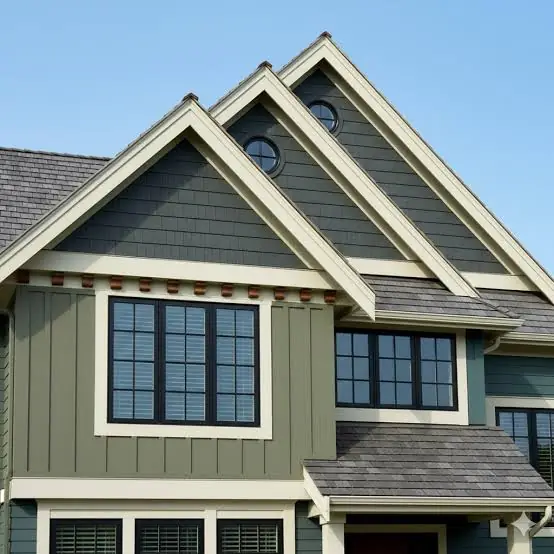
Labor costs account for a substantial percentage of total exterior cladding installation budgets. Complex architectural elevations featuring multiple gables, dormers, and window perimeters increase installation time compared to flat, continuous wall runs. Reducing site complexity through pre-installation preparation and clear staging areas allows installation crews to work faster, directly lowering billable labor hours.
Material Sourcing and Waste Minimization
Procuring materials through wholesale distribution networks or coordinating bulk orders across multiple properties reduces per-unit costs. Ordering standard profile lengths minimizes custom cutting on job sites, reducing scrap waste fees and accelerating crew progress. Strategic material selection aligns budget limits with long-term weather-shedding needs.
Deep Contextual Background
Exterior cladding economics shifted significantly over recent decades as synthetic polymer manufacturing replaced traditional timber and masonry construction. Historical exterior renovations required skilled masonry or custom carpentry labor, making wall restoration labor-intensive and costly. The development of manufactured polymer panel systems provided a lighter, faster-to-install alternative that lowered baseline labor expenses.
Evolution of Cladding Cost Structures
Early synthetic cladding adoption focused almost entirely on upfront cost savings compared to wood siding. Primitive panel systems offered low initial purchase prices, but early material formulations suffered from sunlight fading and thermal distortion. Modern chemical engineering innovations introduced co-extruded capstocks and rigid foam backings, raising baseline material costs while offering higher long-term durability and energy efficiency.
Supply Chain and Market Dynamics
Contemporary construction markets face fluctuating polymer resin prices, changing import tariffs, and rising freight expenses. Furthermore, a shortage of experienced trade labor has pushed specialty trade wages upward across regional markets. Modern cost reduction strategies focus on supply chain planning, off-peak seasonal scheduling, and efficient job-site logistics.
Conceptual Frameworks and Mental Models
Optimizing construction budgets requires structured decision-making frameworks that evaluate cost-saving ideas against long-term performance risks. These mental models prevent shortsighted budget cuts that compromise building envelope integrity.
The Value Engineering Balance Model
This model evaluates material and labor alternatives by comparing immediate cost savings against lifecycle performance impact. Value engineering seeks to eliminate redundant material layers and unnecessary decorative trim accessories without compromising wall assembly R-values or drainage efficiency.
The Labor-Material Trade-Off Model
Higher-grade materials, such as factory-insulated panels or rigid foam-backed profiles, cost more per square foot initially. However, integrated panels install faster than multi-layer wall systems requiring separate insulation placement. This model calculates whether higher material investment yields net savings through reduced billable labor hours.
The Waste Stream Lifecycle Framework
Handling construction waste generates direct disposal expenses, environmental fees, and material loss costs. This framework analyzes waste generation from initial ordering through job-site cutting and dumpster hauling. Minimizing job-site scrap through precise architectural take-offs reduces waste fees and total project costs.
Key Categories or Variations
Analyzing expense categories allows project managers to target specific cost drivers during pre-construction planning. Different project variables offer distinct opportunities for financial optimization.
Direct Material Procurement
Direct material expenses encompass main wall panels, starter strips, J-channel trim, corner posts, soffit panels, and specialized fasteners. Purchasing standard color profiles directly from wholesale distributors eliminates retail markup fees.
Labor and Trade Specialization
Labor costs vary based on contractor crew experience, regional trade wage rates, site access complexity, and safety equipment requirements. Bidding projects during off-peak winter months often yields competitive contractor labor pricing.
Substrate Preparation and Demolition
Tearing off old wood or asbestos siding generates significant labor and disposal expenses. Installing new polymer cladding directly over existing, structurally sound wood siding using furring strips eliminates demolition costs when local building codes allow.
Auxiliary Flashing and Weather Barriers
House wraps, self-adhering window flashing tapes, and drainage mats form critical secondary moisture defenses. While skipping weather barrier upgrades reduces upfront expenses, doing so creates severe water intrusion risks that lead to costly structural frame repairs later.
Decorative Accessories and Custom Trim
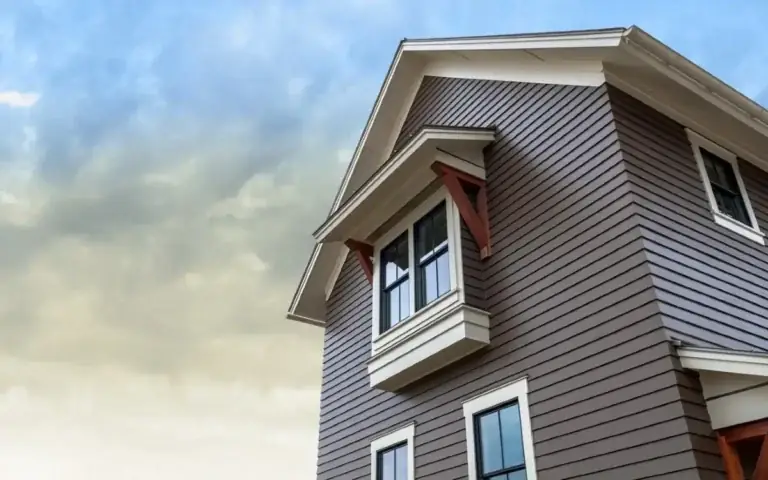
Custom window mantels, decorative shake accents, and complex crown molding trim increase material costs and labor time. Simplifying trim designs around windows and eaves keeps installation focus on core wall coverage, lowering expenses.
Cost Drivers and Trade-Off Matrix
| Expense Category | Primary Cost Driver | Optimization Opportunity | Risk Factors |
| Main Wall Panels | Material gauge & profile | Choose standard lap profiles | Thin panels reduce impact strength |
| Installation Labor | Architectural complexity | Schedule work in off-peak season | Low bids may indicate inexperienced labor |
| Old Siding Removal | Disposal fees & labor | Overlay existing sound siding | Traps hidden moisture if uninspected |
| Trim Accessories | Custom profiles & detail | Standardize J-channels & corners | Simplified look may alter curb appeal |
| Weather Barriers | House wrap materials | Use standard breathable wrap | Omitting wrap risks structural frame rot |
Decision Logic for Budget Optimization
Implementing budget reductions requires matching project scope with local site conditions. Projects facing tight capital limits should prioritize standard horizontal lap profiles over complex decorative shake accents. Demolition savings achieved by overlaying old siding should only be pursued if underlying framing is verified to be completely dry and rot-free.
Detailed Real-World Scenarios How to reduce vinyl siding installation cost
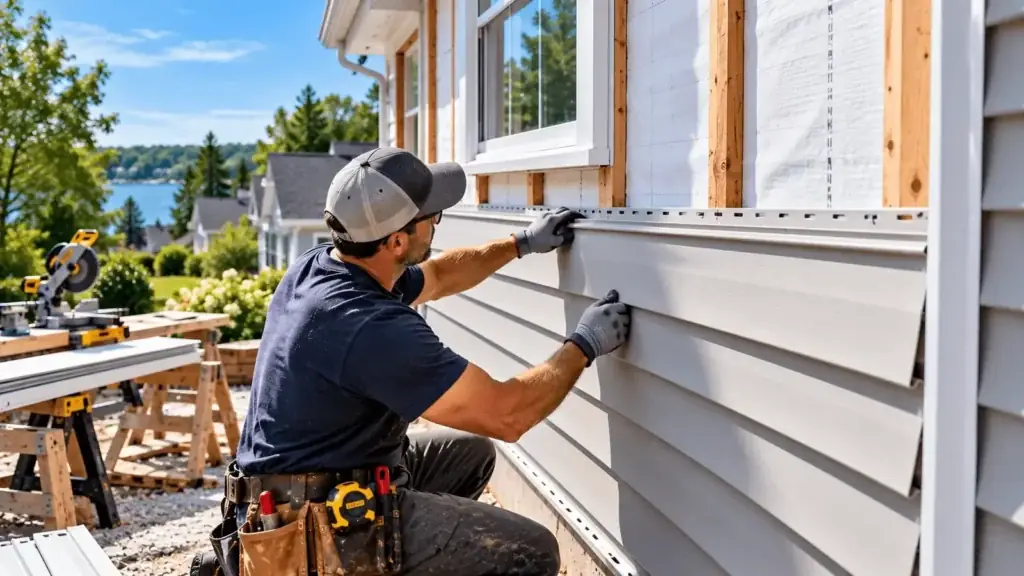
Analyzing practical construction scenarios illustrates how strategic budgeting principles apply under specific job-site constraints and regulatory environments.
Suburb Multi-Family Cost Optimization
A property management firm managing a multi-family housing complex required exterior replacement across twelve residential buildings. By bundling all twelve structures into a single procurement contract, project managers negotiated a volume discount on premium lap panels. Work scheduled during late autumn allowed contractors to maintain continuous crew deployment, reducing total labor charges.
Single-Family Substrate Overlay Project
A homeowner with sound, flat wood lap siding sought to update their home facade within a strict budget. Contractors verified that underlying wall studs and sheathing were dry and structurally sound. Technicians installed a breathable house wrap and vertical furring strips directly over the existing wood siding, eliminating tear-off labor and landfill disposal fees.
Historic District Trim Standardization
A commercial building owner in an urban historic district needed facade updates while controlling costs. Initial architectural plans included custom-fabricated decorative trim around twenty large windows. The owner worked with historic review boards to approve standard extruded trim profiles that matched original dimensions, saving material and labor expenses.
High-Wind Area Material Selection
A coastal property owner attempted to reduce costs by purchasing light-gauge uninsulated siding. After evaluating local high-wind codes, the contractor demonstrated that light panels required extra fastener reinforcement and specialized locking clips. Upgrading to a heavy-gauge panel with a built-in double-nail hem eliminated secondary clip hardware, yielding lower installed costs.
Planning, Cost, and Resource Dynamics
Financial management for exterior construction extends beyond raw material estimates. Comprehensive budgeting accounts for trade labor skills, staging access, waste management, and contingency reserves.
Comprehensive Expenditure Breakdown
Direct costs include panel materials, trim accessories, starter strips, fasteners, house wrap, and dumpster rentals. Indirect expenses encompass building permits, architectural plan reviews, scaffolding rentals, site safety fencing, and administrative project management time.
Opportunity Cost and Life Cycle Trade-Offs
Selecting low-cost, uninsulated panels saves upfront capital, but it exposes the building to continuous thermal bridging and higher heating utility costs over time. Investing in continuous exterior insulation increases initial expenses slightly, but yields ongoing energy bill savings that offset installation costs.
Range-Based Cost Estimation Matrix
| Project Element | Low-End Budget Tier | Mid-Range Benchmark Tier | Premium Custom Tier |
| Material Purchase (per sq ft) | $2.00 – $3.50 | $4.00 – $6.50 | $7.00 – $12.00+ |
| Labor Charge (per sq ft) | $2.50 – $4.00 | $4.50 – $7.00 | $7.50 – $12.00+ |
| Demolition & Disposal | $0.00 (Overlay) | $1.00 – $1.50 per sq ft | $2.00 – $3.50 per sq ft |
| Permits & Scaffolding | $200 – $500 flat | $500 – $1,500 flat | $1,500 – $4,000+ flat |
Tools, Strategies, and Support Systems How to reduce vinyl siding installation cost
Executing cost-effective exterior construction requires specialized estimation tools, digital measurement software, and clear project management protocols. Accurate planning prevents material over-ordering and eliminates unexpected job-site delays.
Budgeting and Estimating Frameworks
Project managers utilize digital estimating software, 3D aerial measurement tools, precise material take-off spreadsheets, and competitive bidding platforms. Aerial measurement tools generate accurate wall square-footage data, preventing material over-ordering and waste.
Competitive Bidding Strategies
Obtaining detailed, itemized bids from multiple licensed contractors reveals regional labor pricing benchmarks. Bids should separate material unit pricing, labor hours, disposal fees, and permit costs, allowing owners to compare contractor proposals accurately.
Contractor Quality Assurance Agreements
Contracts should specify clear milestones, material delivery schedules, waste handling rules, and weather barrier inspection sign-offs. Retaining a final completion payment until final walkthrough inspections are passed ensures contractor adherence to quality standards.
Risk Landscape and Failure Modes
Attempting to cut construction costs without technical guidance introduces severe structural risks. Understanding failure modes enables project managers to protect building envelope integrity while managing costs.
False Economy and Compounding Risks
Selecting unqualified, low-bid contractors frequently leads to improper panel installation, missing expansion gaps, and over-driven fasteners. Improperly installed panels buckle during summer heat waves or detach during winter storms, leading to expensive repair calls that erase initial labor savings.
Trapped Moisture and Structural Framing Decay
Omitting secondary weather barriers or flashing overlays to save money allows rainwater to seep behind exterior cladding. Trapped moisture rots wood sheathing, weakens wall framing, and promotes interior mold growth, turning small savings into major structural repair liabilities.
Code Non-Compliance and Permit Violations
Executing unpermitted exterior work to avoid municipal permit fees risks project shutdown orders and fines from local building officials. Unpermitted work can also void manufacturer material warranties and complicate future property sales.
Governance, Maintenance, and Long-Term Adaptation
Preserving building envelope performance requires clear operational governance and regular maintenance routines. Proper ongoing maintenance extends cladding service life, maximizing initial investment value.
Post-Installation Asset Management
Facility operators should conduct visual inspections annually, specifically checking lower wall courses, corner posts, and window flashing connections. Cleaning panel surfaces annually using low-pressure water equipment removes airborne soot and prevents organic mold accumulation.
Remediation Trigger Protocols
Immediate repair protocols are triggered if loose panels, cracked trim pieces, or unhooked locking seams are discovered. Replacing damaged individual panels promptly prevents wind lift forces from tearing adjacent wall runs off the building during severe storms.
Long-Term Budget Governance Checklist
-
Obtain itemized competitive bids from three licensed contractors.
-
Verify building square footage using accurate measurement tools.
-
Select standard panel profiles and colors to eliminate custom manufacturing fees.
-
Ensure breathable house wrap and window flashing tapes are fully specified.
-
Retain ten percent contingency funds for unexpected substrate repairs.
Measurement, Tracking, and Evaluation
Evaluating the financial success of an exterior cladding project involves monitoring budget variances, material waste ratios, and long-term building operational expenses. Data-driven tracking validates cost management decisions.
Cost Tracking and Financial Indicators
Leading performance indicators include bid itemization compliance, material take-off accuracy, and contractor milestone adherence. Lagging metrics track long-term project success, including final cost-per-square-foot metrics, utility bill reductions, and zero post-installation repair expenses.
Qualitative and Quantitative Evaluation Signals
-
Quantitative Metric: Comparing actual total construction outlays against initial project budget allocations.
-
Qualitative Metric: Evaluating finished visual alignment, seam tightness, and trim integration during final walkthroughs.
-
Energy Metric: Tracking monthly HVAC energy consumption changes following continuous insulation retrofits.
Project Documentation Examples
-
Itemized Contractor Bid Ledger: Detailed spreadsheets comparing labor rates, material markups, and disposal fees across bidding contractors.
-
Material Take-Off Audit Form: Verification documents confirming precise square-footage calculations and waste factors.
-
Final Inspection Certificate: Municipal building department sign-off forms confirming full building code compliance.
Common Misconceptions and Oversimplifications How to reduce vinyl siding installation cost
Persistent myths regarding synthetic cladding installation costs often lead property owners to make incorrect financial decisions during project planning.
Correcting Budgeting Misconceptions
-
Lowest Contractor Bids Always Save Money: Exceptionally low bids often reflect missing scope items, un-permitted work, or inexperienced labor that leads to premature installation failure.
-
Thin Panels Perform Identically to Thick Panels: Cheaper thin-gauge panels offer lower impact resistance and warp more easily under heat compared to heavy-gauge panels.
-
Existing Siding Can Always Be Overlaid: Overlaying new panels over wet, rotted, or uneven wood siding traps moisture and creates wavy, distorted wall runs.
-
Weather Barriers Are Unnecessary Cost Additions: House wraps and flashing tapes provide critical secondary moisture defense; omitting them risks expensive structural frame rot.
-
DIY Installation Is Always Cost-Effective: Installing cladding without specialized tools and trade experience leads to pinned fasteners, buckled panels, and voided material warranties.
Ethical, Practical, and Contextual Considerations
Responsible construction practices balance immediate financial savings with environmental protection, job-site safety, and neighborhood aesthetics. Old synthetic cladding and scrap materials generated during installation should be collected and transferred to industrial plastic recycling facilities whenever possible. Choosing contractors who enforce job-site safety rules and purchase materials from sustainable manufacturers reduces environmental impacts. Furthermore, selecting exterior profiles that complement surrounding neighborhood architecture preserves property values across the community.
Conclusion
Successfully managing exterior cladding installation costs requires a thorough understanding of construction dynamics, material logistics, labor efficiency, and long-term building envelope science. By evaluating cost drivers through structured financial frameworks, property managers achieve maximum budget efficiency without compromising structural quality or weather tightness. Standardizing profile selections, procuring materials strategically, obtaining competitive itemized contractor bids, and maintaining secondary moisture barriers protect capital investments. Investing in careful planning, rigorous contractor oversight, and proactive asset governance delivers resilient exterior wall protection and lasting property value across changing market conditions.