How to manage vinyl siding cracking with structural diagnosis and material repair
Synthetic building envelopes undergo relentless mechanical and climatic stress over multi-decade service lifecycles. Polyvinyl chloride exterior cladding systems provide an effective primary rain screen when properly designed and installed. How to manage vinyl siding cracking. However, cumulative ultraviolet exposure, low-temperature embrittlement, structural frame movement, and accidental mechanical impacts frequently compromise panel faces. Addressing surface fractures early prevents liquid water intrusion from reaching vulnerable wood framing sheathing.
Fractures in synthetic wall coverings rarely result from isolated environmental events. Physical cracking typically signals underlying material degradation or mechanical movement restriction within the wall assembly. Over-driven fasteners, missing thermal expansion clearances, degraded plasticizer additives, and hail strikes contribute directly to panel splitting. Without a systematic diagnostic process, superficial surface repairs fail to eliminate the underlying physical drivers of facade failure.
Resolving structural fractures requires evaluating polymer chemistry, mechanical stress distribution, fastener dynamics, and moisture movement. Facility managers and property owners benefit from analytical frameworks that organize surface damage into clear diagnostic classes. This comprehensive reference examines technical causes, structural repair protocols, material replacement strategies, and long-term governance routines required to manage facade fractures across building lifecycles.
How to manage vinyl siding cracking
Understanding how to manage vinyl siding warping or cracking requires looking past visible surface splits to evaluate systemic mechanical forces within wall assemblies. Physical fractures occur when brittle polymer panels encounter impact forces or when thermal movement restrictions induce high tensile stress along panel runs. Experienced building diagnostics technicians evaluate panel flexibility, fastener clearances, and historical storm records to isolate primary failure triggers before executing repairs.
Mechanical Stress Mechanics and Polymer Embrittlement
Polymer cladding relies on internal chemical plasticizers and impact modifiers to maintain flexibility across changing seasonal temperatures. Prolonged solar ultraviolet radiation gradually breaks down these chemical modifiers, increasing material stiffness over time. When ambient temperatures drop below freezing, aged polymer chains become exceptionally brittle, rendering the cladding vulnerable to stress cracking under minimal impact loads.
Substrate Movement and Fastener Pinning Triggers
Mechanical expansion restrictions create continuous internal shear stress along panel nailing hems. When panels expand during hot weather but remain pinned tightly by over-driven fasteners, horizontal buckling forces strain the material. During winter cold snaps, intense thermal contraction pulls locked panels taut, causing tension fractures around nail slots or tearing panel faces apart at inter-locking seams.
Deep Contextual Background
Building facade management transformed significantly over the past half-century as synthetic materials replaced traditional timber cladding. Early generations of exterior plastic panels suffered from poor cold-weather impact resistance and rapid photo-chemical aging. Primitive resin formulations lost flexibility within a few years of installation, leading to widespread cracking under routine environmental loads.
Historical Polymer Compounding and Impact Resilience
Chemical engineers resolved early material vulnerabilities by developing specialized impact-modified capstocks and co-extrusion manufacturing methods. Modern co-extrusion fuses an outer layer containing titanium dioxide UV stabilizers with a tough structural core containing butadiene rubber modifiers. These formulation improvements increased impact tolerance and reduced cold-weather brittleness across modern product lines.
Modern Building Envelopes and Mechanical Tolerances
Despite chemical advancements, exterior cladding remains a floating rain-screen system that must accommodate structural building movement. Contemporary building envelopes incorporate continuous rigid insulation and high-efficiency weather-resistive barriers behind exterior wall coverings. Proper installation guidelines mandate specific clearance gaps at trim receivers to ensure panels move freely without binding or cracking during severe thermal cycles.
Conceptual Frameworks and Mental Models
Diagnosing exterior wall fractures demands structured analytical frameworks that separate superficial surface impacts from systemic structural stress. These mental models assist facility managers in selecting appropriate repair strategies for specific failure modes.
The Fastener Movement Restriction Model
This framework treats polymer cladding as a dynamic floating matrix supported by mechanical fasteners. Nails or screws must be centered within factory-punched slots, leaving clearance between the fastener head and the panel hem. Over-driven fasteners lock panels against sheathing, preventing thermal sliding movement and inducing severe tensile stress that fractures cold panels.
The Sub-Zero Impact Vulnerability Matrix
Polymer impact strength declines predictably as ambient temperatures fall below freezing. This model evaluates mechanical strike energy against material surface temperature at the time of impact. Understanding this relationship helps facility managers determine whether panel fractures stemmed from extraordinary storm events or advanced chemical embrittlement of aging cladding.
The Secondary Drainage Plane Framework
Exterior wall cladding functions as a primary water shedding layer rather than a completely watertight seal. This mental model evaluates surface fractures based on their potential to compromise the secondary drainage plane behind the cladding. Prioritizing repair urgency based on underlying house wrap integrity prevents hidden moisture rot inside structural framing cavities.
Key Categories or Variations
Categorizing panel fracture types enables maintenance teams to apply targeted physical repair protocols. Different fracture patterns require distinct material interventions, mechanical adjustments, and panel replacements.
Cold-Impact Star Fractures
This damage appears as radial, star-shaped cracks emanating from a central impact point. It occurs when hail, flying debris, or lawn equipment strikes brittle panels during low-temperature weather conditions.
Thermal Expansion Lock Tension Cracks
Horizontal splits along panel nail hems or vertical tears near corner posts indicate severe thermal movement restriction. Over-tightened fasteners prevent panel contraction during deep winter freezes, tearing the vinyl around nail shanks.
Nail Slot Tear-Out Fractures
High wind pressures or severe thermal movement can pull fastener heads directly through thin polymer slot edges. Disengaged panels hang loosely, creating uneven lap lines and exposing underlying weather barriers to driven rain.
Substrate Deflection Shear Fractures
Structural wall settling, warped framing studs, or swollen sheathing create localized shear points behind exterior panels. The cladding bends over irregular substrate contours until mechanical stress exceeds material flexural strength, producing diagonal surface cracks.
Brittle Capstock Micro-Fissuring
Advanced photo-chemical degradation causes dense networks of fine hairline cracks across panel faces. The micro-fissures indicate total plasticizer depletion, signaling that the cladding has reached the end of its operational service life.
Fracture Taxonomy and Diagnostic Criteria
| Fracture Category | Primary Trigger | Visual Damage Profile | Target Repair Strategy |
| Cold-Impact Star | Mechanical strike | Radial star-shaped splits | Patch minor holes, replace severe panels |
| Thermal Tension | Over-driven fasteners | Horizontal nail hem tears | Back off fasteners, replace damaged panel |
| Slot Tear-Out | Wind uplift / thermal stress | Pulled-through nail slots | Install slot repair washers, re-fasten |
| Substrate Shear | Wall frame settling | Diagonal surface splits | Flatten substrate framing, replace panel |
| Capstock Fissuring | Advanced UV degradation | Network of fine hairline cracks | Complete elevation replacement |
Remediation Decision Logic
Managing facade fractures requires matching damage severity with appropriate mechanical interventions. Hairline impact splits on structurally sound panels can be sealed using specialized plastic solvent welds or exterior color-matched acrylic sealants. Widespread nail hem tears and advanced capstock micro-fissuring demand complete panel replacements alongside fastener depth adjustments.
Detailed Real-World Scenarios How to manage vinyl siding cracking
Evaluating practical job site scenarios illustrates how diagnostic principles adapt to specific physical building constraints, severe weather events, and structural parameters.
High-Wind Hail Fracture Remediation
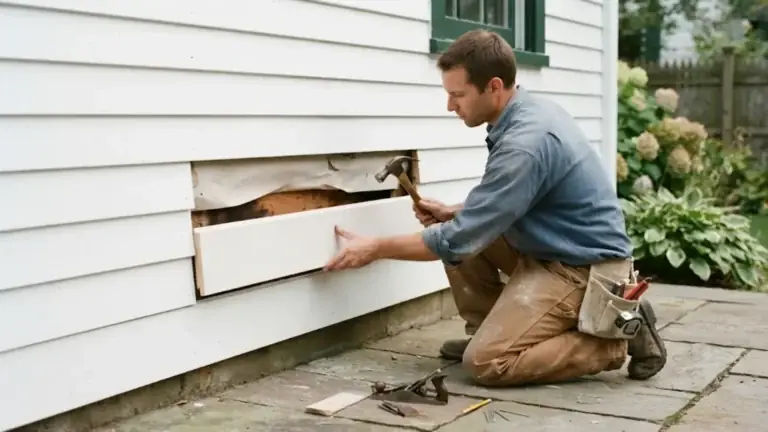
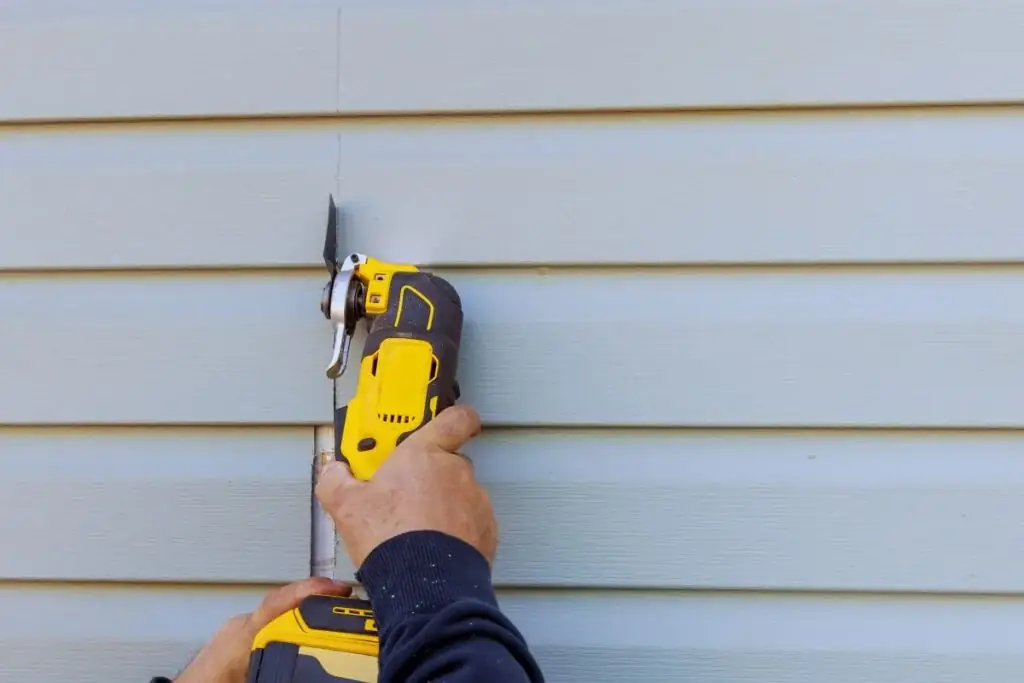
A commercial office facility experienced severe hail damage during an early spring storm when ambient temperatures were near freezing. Hailstones produced dozens of star-shaped impact fractures across north- and west-facing elevations. Maintenance crews documented damage for insurance claims, removed broken panel courses using siding zip tools, verified weather barrier integrity, and installed replacement heavy-gauge panels.
Multi-Family Thermal Lock Fracture Overhaul
A residential apartment complex developed horizontal splits along panel nail hems during a severe winter cold snap. Inspection revealed that installers had driven pneumatic staples flush against panel hems two years prior. Crews systematically unhooked affected panel runs, cut out damaged nail slots, installed oversized fastener repair washers, and re-secured panels maintaining proper shank clearances.
Structural Frame Settling Repair
A two-story commercial building suffered diagonal cladding cracks near a second-floor window corner due to structural timber settling. Technicians removed damaged vertical trim and panel sections, installed horizontal furring strips to establish a level mounting plane, and reinstalled new profile panels with adequate expansion gaps at receiving channels.
Lawn Equipment Impact Patching
A facility maintenance team encountered a clean, two-inch puncture hole on a ground-level panel caused by a rock thrown by a lawn mower. Because matching replacement panels were unavailable, technicians executed a blind structural patch. They inserted a curved vinyl backing piece behind the puncture using plastic solvent cement, filled surface gaps with color-matched acrylic sealant, and restored the profile contour.
Planning, Cost, and Resource Dynamics
Financial management for facade fracture remediation extends beyond purchasing replacement panels. Comprehensive project budgeting accounts for diagnostic trade labor, scaffolding access, structural substrate repairs, and preventive fastener depth adjustments.
Financial Allocations for Facade Fracture Repairs
Direct expenses include replacement cladding panels, siding removal zip tools, specialized plastic solvent adhesives, color-matched sealants, fastener repair washers, and ladder staging rentals. Indirect costs cover building diagnostic assessments, moisture testing, waste disposal fees, and administrative review processing.
Long-Term Value and Opportunity Costs
Ignoring minor panel fractures allows wind-driven rain to reach secondary weather barriers continuously, increasing the risk of structural frame rot. Executing timely spot repairs or partial panel replacements costs relatively little, whereas deferred maintenance leads to expensive structural wood sheathing repairs and full wall assembly tear-offs.
Fracture Remediation Budget Dynamics
| Project Component | Minor Patch Repair Tier | Single Panel Replacement | Elevation Overhaul Tier |
| Materials (per sq ft) | $15 – $30 total kit | $3.00 – $6.00 | $7.50 – $12.00+ |
| Repair Labor (per sq ft) | $100 – $250 flat fee | $4.00 – $8.00 | $8.00 – $14.00+ |
| Substrate & Flashing Fixes | $0 (not needed) | $100 – $300 zone | $800 – $2,500+ wall |
| Staging & Equipment | $0 (ladder work) | $150 – $350 flat | $600 – $1,800+ flat |
Tools, Strategies, and Support Systems
Executing precise facade repairs requires specialized trade tools and structured diagnostic equipment. Proper tooling allows technicians to unhook installed panel runs without damaging surrounding materials.
Mechanical Repair and Removal Tooling
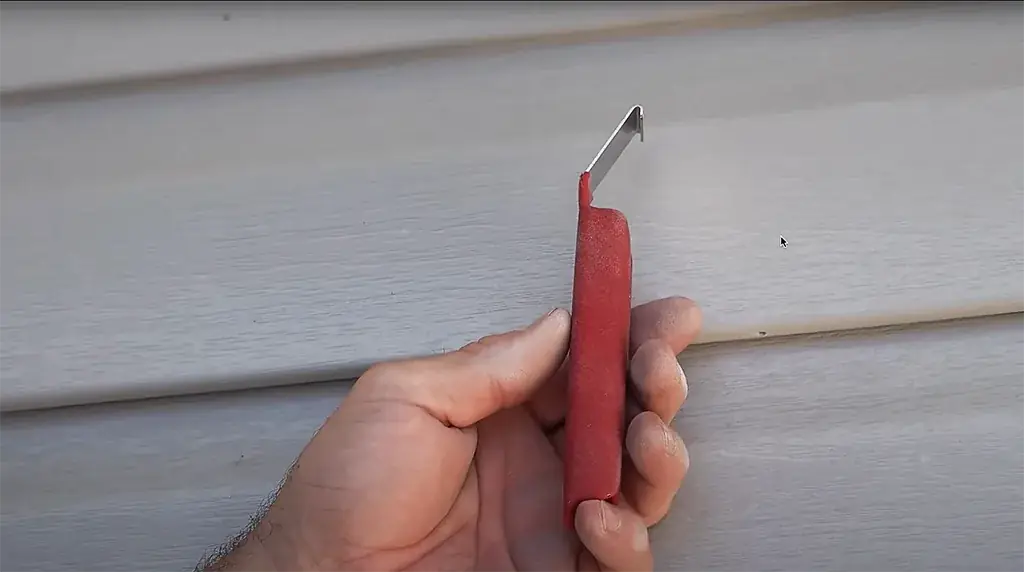
Technicians utilize siding removal zip tools, nail slot punches, plastic solvent adhesives, pneumatic nailers with adjustable depth controls, and hand-held ultrasonic thickness gauges. Siding zip tools slide under overlapping panel laps to unhook locking seams without cracking adjacent cold panels.
Blind Backer Patching Accessories
For small puncture holes where matching panels are unavailable, technicians utilize curved polymer backer plates cut from scrap siding. Securing backer plates behind damaged faces using specialized tetrahydrofuran solvent cements creates a structural bond that restores water-shedding capability.
Quality Control Registers
Project managers use standardized quality control registers to record fastener shank clearances, expansion gaps at trim receivers, and substrate moisture levels behind repaired panels. Documenting repairs preserves manufacturer warranty coverage on adjacent wall sections.
Risk Landscape and Failure Modes How to manage vinyl siding cracking
Ignoring structural facade fractures introduces compounding building envelope risks. Understanding potential failure pathways enables quality control teams to prevent internal structural rot.
Progressive Fracture Water Intrusion Hazards
Unsealed surface cracks allow wind-driven rain to pass through exterior cladding and strike house wraps directly. If secondary weather barriers feature unsealed seams or staple penetrations, water saturates underlying OSB sheathing, leading to hidden wood decay.
Unzipping Seams and Wind Tear-Off
Cracks near panel locking hems weaken horizontal seam engagement across adjacent courses. High wind gusts can catch disengaged panel edges, unzipping entire wall runs and tearing panels off fastener shanks during severe storms.
Structural Frame Rot and Mold Growth
Continuous moisture intrusion through un-repaired fractures elevates framing moisture content above twenty percent. Sustained dampness promotes toxic mold growth inside wall cavities and structural wood decay that compromises wall load capacity.
Governance, Maintenance, and Long-Term Adaptation
Preserving building envelope integrity requires systematic maintenance routines and scheduled inspection protocols. Establishing clear operational management plans extends cladding service life significantly.
Routine Envelope Fracture Surveillance
Facility managers should conduct visual exterior inspections biannually, with additional reviews following severe hail storms or high-wind events. Inspectors check lower wall courses for impact damage, verify fastener movement clearance along panel runs, and inspect sealant joint flexibility around window perimeters.
Remediation Trigger Protocols
Immediate physical repairs are triggered if surface fractures penetrate through panel faces or if locking seams disengage. Early intervention prevents water intrusion into secondary wall assemblies and preserves structural framing integrity.
Envelope Fracture Maintenance Checklist
-
Inspect ground-level panels for lawn equipment impact splits.
-
Perform a zip-tool inspection on selected courses to verify free fastener movement.
-
Verify one-quarter-inch expansion clearance at all J-channels and corner posts.
-
Ensure weep holes along panel bottoms remain free of dirt and debris.
-
Check sealant joint adhesion around utility wall penetrations and window frames.
Measurement, Tracking, and Evaluation How to manage vinyl siding cracking
Evaluating facade repair success involves monitoring operational indicators and tracking long-term moisture metrics behind repaired elevations. Data-driven evaluation validates physical repair methods.
Diagnostic Indicator Record Keeping
Leading performance indicators include successful horizontal slide tests on repaired panels, verified fastener depth clearances, and negative moisture readings on underlying wall sheathing behind patch locations.
Lagging Asset Signals
Lagging metrics track long-term performance, including zero water intrusion incidents over multi-year monitoring cycles, stable panel alignment during extreme seasonal temperature shifts, and extended facade service lifecycles.
Quality Control Documentation
-
Repair Audit Register: Signed verification records documenting panel replacement locations, fastener depth checks, and thermal movement clearances.
-
Substrate Moisture Log: Electronic moisture meter readings taken behind repaired panel sections pre- and post-fix.
-
Storm Damage Inspection Report: Detailed physical documentation and photographic logs generated for insurance verification.
Common Misconceptions and Oversimplifications
Persistent myths regarding synthetic cladding fractures often lead building owners to select ineffective repair methods.
Correcting Facade Fracture Misconceptions
-
Caulking Fixes Large Cracks Permanently: Exterior caulking lacks flexural strength to handle continuous panel expansion and contraction; large cracks require structural solvent welding or panel replacement.
-
Cracks Result Only from Severe Hail: Over-driven fasteners cause internal thermal stress that can fracture brittle panels during normal winter temperature drops without any mechanical impact.
-
Entire Walls Must Be Replaced for One Crack: Individual damaged panels can be removed and replaced easily using a siding zip tool without dismantling surrounding wall elevations.
-
Thicker Vinyl Panels Never Crack: Heavy-gauge panels offer higher impact resistance, but cold temperatures still make them brittle, and over-tightened fasteners will tear their nail hems.
-
Glued-On Surface Patches Hold Indefinitely: Applying surface patches without structural backer plates allows thermal movement to pop patch edges loose within a single seasonal temperature cycle.
Ethical, Practical, and Contextual Considerations
Responsible building management requires evaluating environmental material disposal and job site waste reduction. Damaged polymer panels removed during repairs should be collected and transferred to industrial recycling facilities whenever possible. Partnering with contractors who recycle scrap materials reduces landfill burden. Furthermore, specifying high-impact replacement panels and maintaining proper fastener clearances supports long-term building durability and reduces future material consumption over the property lifecycle.
Conclusion
Successfully managing vinyl siding cracking requires a thorough understanding of polymer mechanics, low-temperature embrittlement, and fastener movement dynamics. By evaluating surface fractures through structured diagnostic frameworks, facility managers isolate root failure causes and execute lasting mechanical repairs. Maintaining free-floating panel movement, ensuring proper trim clearances, and executing timely panel replacements protect building envelopes against hidden moisture intrusion. Investing in systematic fracture surveillance and proactive maintenance routines preserves long-term building structural integrity, visual appeal, and asset value across decades of changing weather conditions.